
THE SIX TYPES OF WEALTH – PART 4: PHYSICAL WEALTH
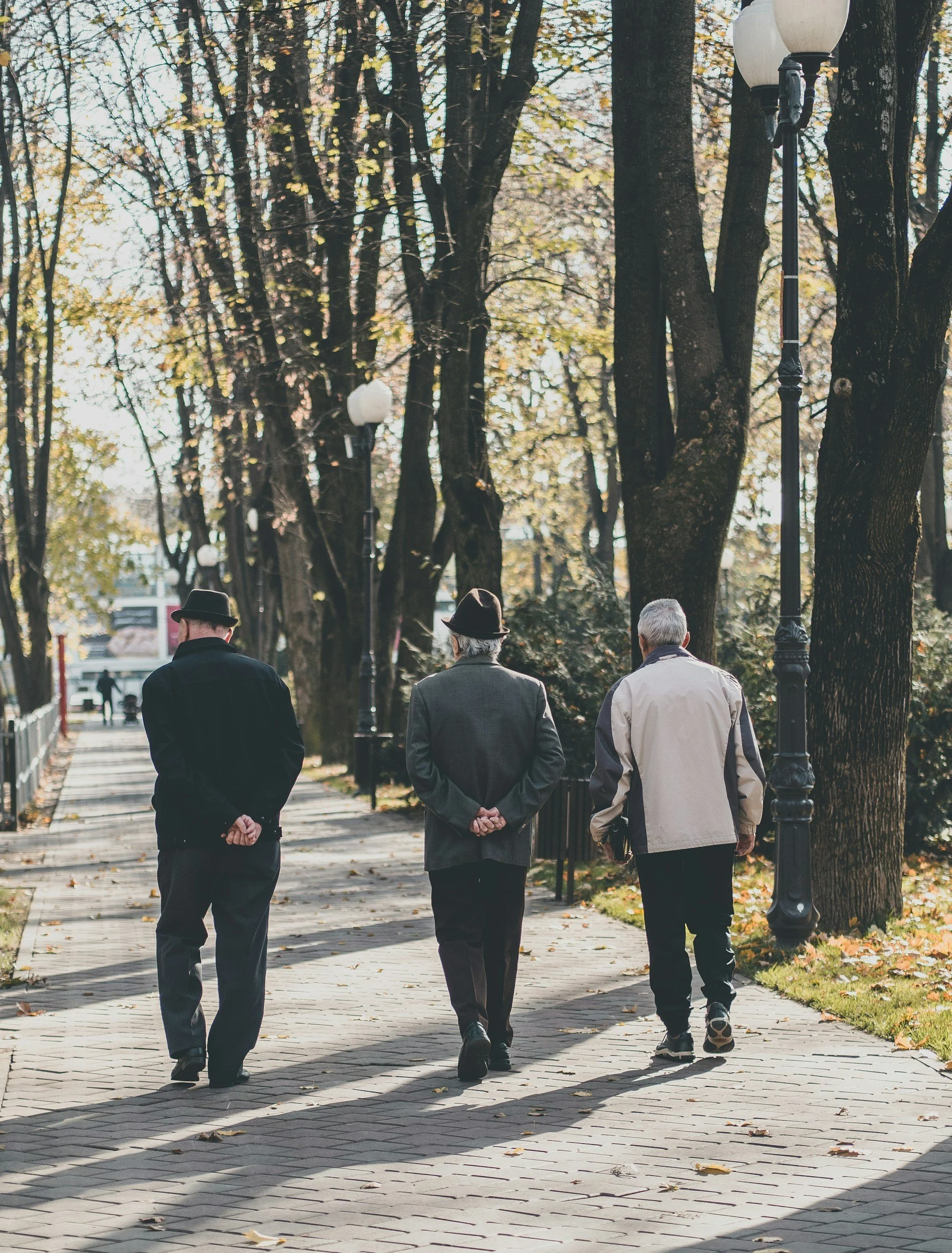
Ageing and retirement aren’t easy, here’s how to maintain strength, mobility and balance – sooner rather than later.
Let’s face it, ageing and retirement are not easy. For some, it is simply damn hard. Physical wealth may be the most difficult type of wealth for many elderly people, mainly due to declining strength and mobility, which in many cases is worsened by inactivity and little effort.
It’s time to take control of your physical well-being.
By paying attention to your nutritional health and physical activities, you experience overall improvements in brain function (memory) and physical ability (mobility). As we age, it becomes more of a maintenance task rather than a building one. Our goal should not necessarily be to become stronger, more aggressive, and leaner, although some people over 60 manage to improve their physiques and strength remarkably well.
Most of us should aim to keep moving, focus on flexibility and balance, and try to preserve strength for as long as possible. We cannot stop ageing and the resultant sarcopenia (loss of muscle mass and strength with age), but we can slow it down. The longer we delay or slow down physical deterioration, the more physical wealth we will accumulate.
In the long term, which is more beneficial? A wealth of financial resources or an abundance of physical wealth? Once again, it’s not about choosing one over the other; it’s about finding the right balance – not only between physical and financial wealth, but also across all six types of wealth to achieve harmony.
Physical wealth
All six types of wealth share one common principle: compounding. Occasionally, we come across articles emphasising the importance of staying invested and increasing your financial wealth to harness the power of compound interest. Physical wealth is no different. The earlier you begin and the longer you maintain it, the more the advantages of being physically wealthy will compound. These benefits create a ripple effect that influences your entire life and body. The mind functions better, energy levels rise, and physical capabilities are sustained.
Any kind of wealth requires time and compounding to build, and the control you gain through building physical wealth acts as a catalyst and a reminder of the control you have over every other area of your life. Even when your health is tested, you have a choice to act and improve your current circumstances.
You might not be able to run ten or twenty kilometres any longer, but you can still walk in the mountains and parks for thirty minutes at a time or do chair yoga. Every small effort compounds, and every little action contributes to your physical wealth.
Imagine your desired future, then agree with yourself on the actions you need to take now to bring it about. Your visualisation of the future should bring clarity to the present. Picture yourself at your 80th birthday with your favourite song playing – will you: Get up and join the others dancing, or will you sit stuck in your chair, watching the others
If you continue your current daily actions, will you be dancing or sitting?
What actions do you need to add or adjust to more closely align your future ideal vision for it?
What would your 80-year-old self want you to do today?
Your current self is the main stakeholder in your world, but your future self is the direct beneficiary of the long-term effects of your present actions.
Your 80-year-old self would remind you that you have only one body, and how you treat it now is reflected in and amplified by how it will serve you in the years to come.
The three pillars of physical wealth
Movement: Engage the body
Exercise not only delays death but also more effectively prevents both cognitive and physical decline than any other intervention. It is the most powerful tool in the health-span toolkit, surpassing nutrition, sleep, and medications.
A paper published in the Journal of Aging Research in 2012 states that all-cause mortality was reduced by 30%-35% in the physically active compared to the physically inactive.
A little exercise can make a big difference, and more exercise can be even more beneficial. However, you don’t need to aim to be a professional athlete to gain from exercise. The key is simply to start doing something, no matter how minor it seems. Remember the power of cumulative effort.
Within the pillar of movement, there are three sub-categories of training to understand, each with its own set of benefits for health, performance and appearance:
Cardiovascular training:
Aerobic (Low intensity, relies on the oxygen you breathe to sustain activity)
Anaerobic (High intensity, relies on the breakdown of sugars to sustain activity)
Strength:
Train using resistance (weights or bands) to build overall muscle, power, and strength, all of which are vital for a healthy, enjoyable life.
Resistance exercise and strength training are the number one way to combat neuromuscular ageing.
Stability and Flexibility:
Stability forms the basis of proper movement, and movement is one of the first areas where many ageing people encounter problems. Not only the speed at which we move, but also the effectiveness of our movements, are influenced by age.
Include static and dynamic stretching exercises in your exercise routine to enhance the range of motion in your muscles and joints. As this improves, you will experience better balance, posture, and physical performance, along with reduced pain and inflammation.
In previous articles, I mentioned the body’s decline that begins in your late 30s, when persistent muscle loss starts to occur. Movement exercises are not just for those in retirement; they should begin much earlier. The sooner you start and the longer you maintain them, the more you will benefit from their cumulative effect (compounding).
Nutrition: Fuel the body
Forget fad diets. In most cases, “themed” diets are driven by clever marketers. Nutrition doesn’t have to be complicated; it can be very simple.
There are four core principles that provide a strong foundation of nutrition:
Overall calories consumed daily
Macronutrients (3 types):
-Protein (needed for muscle growth and tissue repair)
-Carbohydrates (primary source of energy)
-Fats (supports cell growth and organ health)Micronutrients (Essential vitamins and minerals to ensure healthy body functioning)
Hydration (We need water to survive, most of us are chronically dehydrated)
I’m not a nutritionist or an expert by any means. Finding information about what suits you personally isn’t difficult. Ultimately, consult a nutritionist.
Recovery: (Recharge the body)
Sleep is nature’s miracle cure, yet it remains greatly undervalued and underutilised. About 33% of adults and 75% of high-school students regularly get inadequate sleep.
Getting enough sleep enhances brain and bodily functions through the physiological processes that happen during sleep:
Memory processing and integration
Removal of toxins that accumulate during the day
Switch to the “rest and recovery” nervous system, which promotes physically restorative processes
Emotional restoration and mood rebalancing
Andrew Huberman (Stanford University neuroscientist) states:
“In the absence of quality sleep over two or three days, you’re just going to fall to pieces. In the presence of quality-sufficient sleep over two or three days, you’re going to function at an amazing level. There is a gain-of-function and a loss-of-function there. It’s not just if you sleep poorly, you function less well. If you sleep better, you function much better”
Taking a mindful approach to sleep, rest, and recovery is essential for your performance, appearance, and longevity. The “I’ll sleep when I’m dead” mentality might just lead you there sooner than expected.
Proceed and eat well (as in quality, not quantity), move well and sleep well, and enjoy the fruits of physical wealth.
